Why Every Monrovia Homeowner Needs to Know This
Imagine waking up to the sound of rushing water — a burst pipe under the slab, a failed water heater, or a washing machine line that suddenly gives out. In moments like these, every second matters. Knowing how to perform an emergency water shut off can be the difference between minor cleanup and thousands of dollars in water damage.
For homeowners in Monrovia, this knowledge is especially important, especially when you may need to call a plumber in Monrovia fast during an emergency. Many local homes sit on slab foundations, feature aging copper or galvanized piping, or are built on hillside lots where leaks can spread quickly and unnoticed. When a plumbing emergency strikes, scrambling to find the main shut-off valve only adds stress — and damage.
The good news? With just a few minutes of preparation, you can protect your home, your belongings, and your peace of mind. This guide will show Monrovia homeowners exactly where to find their main water shut-off valve and how to use it during an emergency, before a small leak turns into a major disaster.
What Is the Main Water Shut-Off Valve? (Quick Primer)
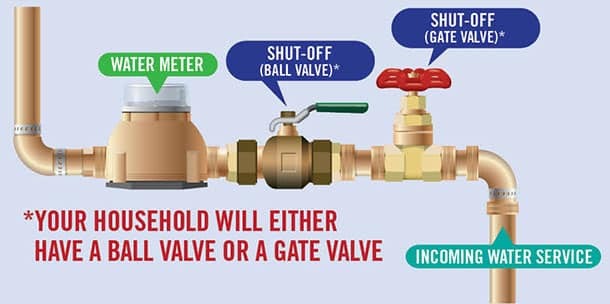
The main water shut-off valve is the control point that stops all water flowing into your home. When turned off, it immediately cuts water supply to every pipe, fixture, and appliance — making it your most important defense during an emergency water shut off situation.
It’s important not to confuse the main shut-off with individual fixture valves, which are smaller valves located behind toilets, under sinks, or near appliances. Those fixture shut-offs only stop water to one specific area. If you’re dealing with a major leak, burst pipe, or slab issue, they won’t be enough.
Here’s the key difference:
- Main shut-off valve: Stops all water entering the home
- Fixture shut-offs: Stop water to a single toilet, sink, or appliance
When a large leak occurs — especially one hidden behind walls or under a slab — the main shut-off valve is the fastest and safest way to prevent widespread damage. Understanding what it is and why it matters lays the foundation for everything that follows in this guide.
Where to Find Your Main Water Shut-Off Valve in Monrovia Homes
In Monrovia, the location of your main water shut-off valve depends largely on when your home was built, lot size, and past renovations. While there’s no single standard, most homes fall into one of the locations below.
A. Outside Near the Street or Sidewalk
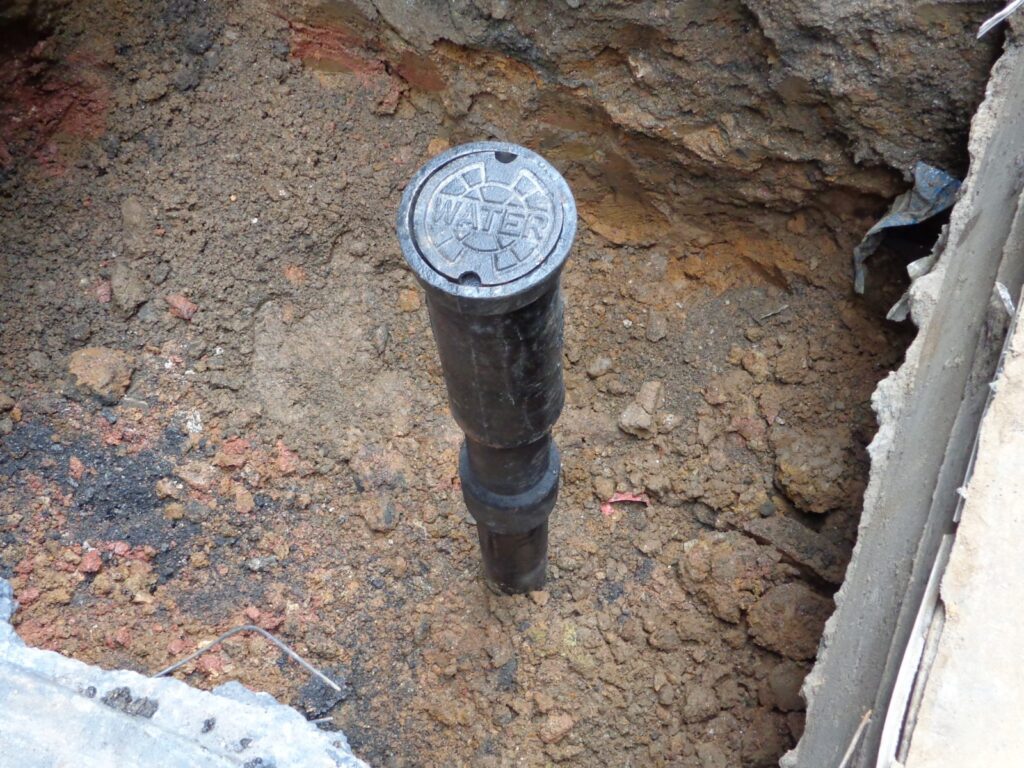
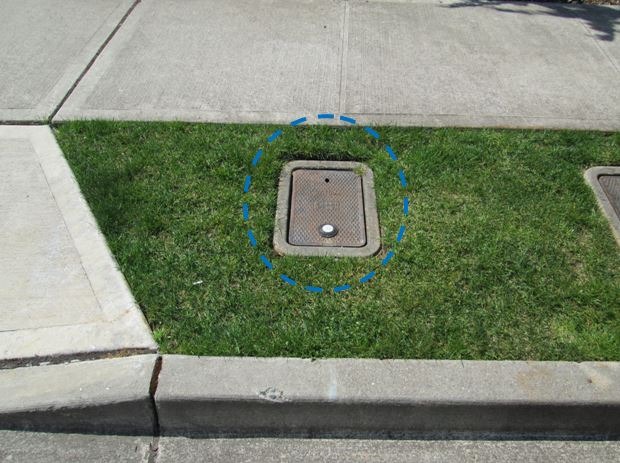
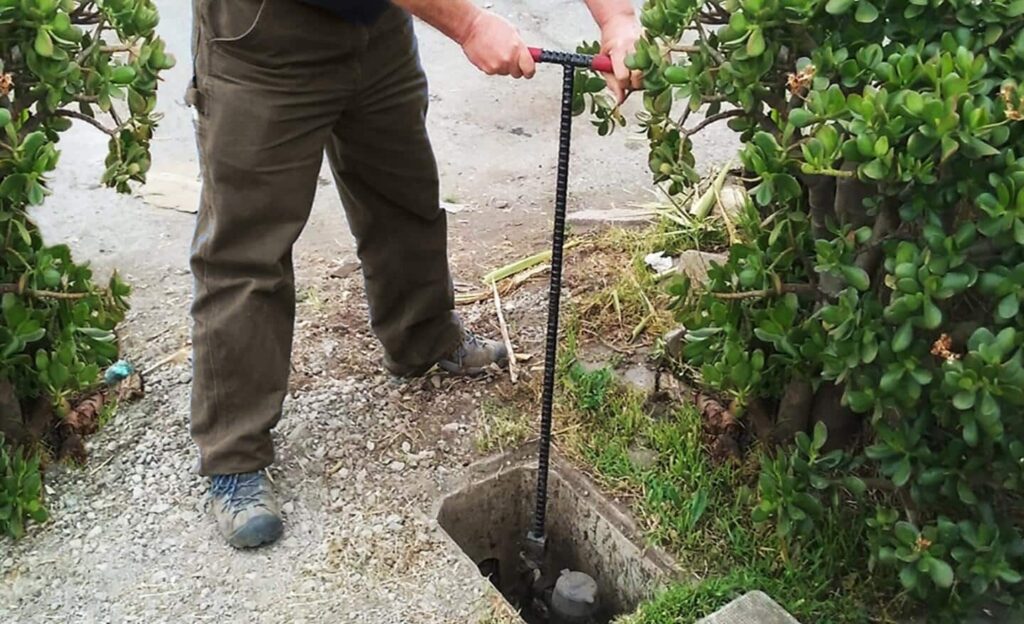
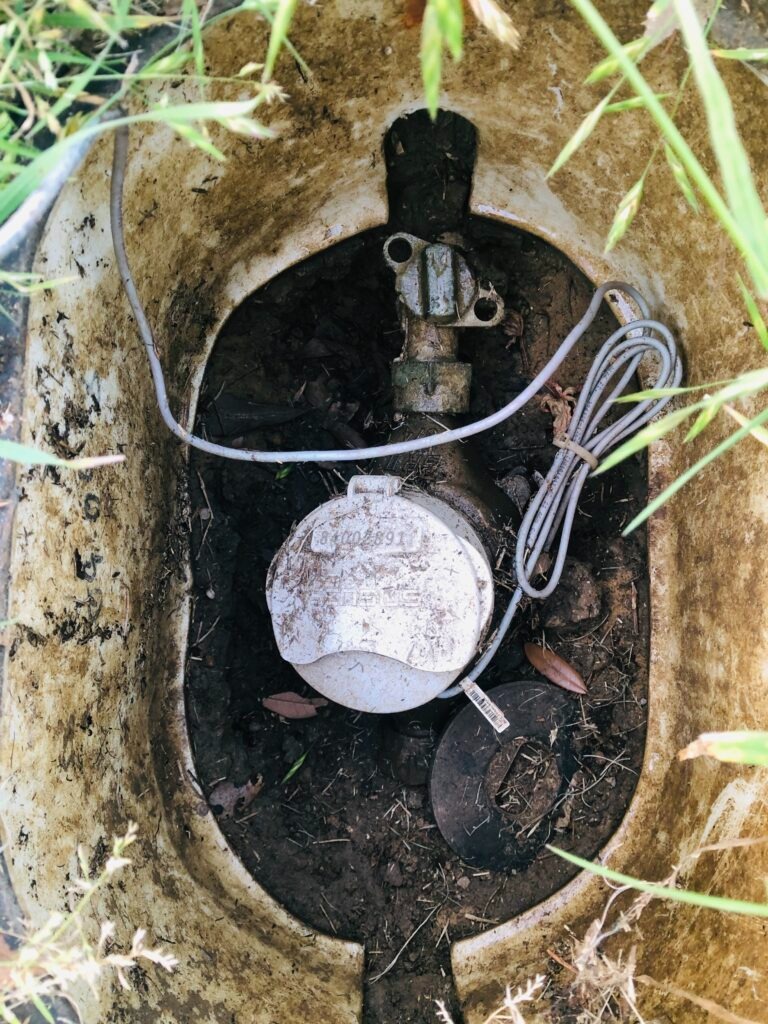
Many older Monrovia neighborhoods have the main shut-off valve located in a water meter box near the curb or sidewalk. This is typically a rectangular or circular metal or plastic cover labeled “WATER.”
What to know:
- The valve is usually a few feet from the street
- You may need a water meter key or adjustable wrench
- Open the lid carefully — spiders, dirt, or debris are common
- Turn the valve clockwise to shut off the water
This setup is common in homes built before modern plumbing codes became standard.
B. Near the Exterior Wall of the House
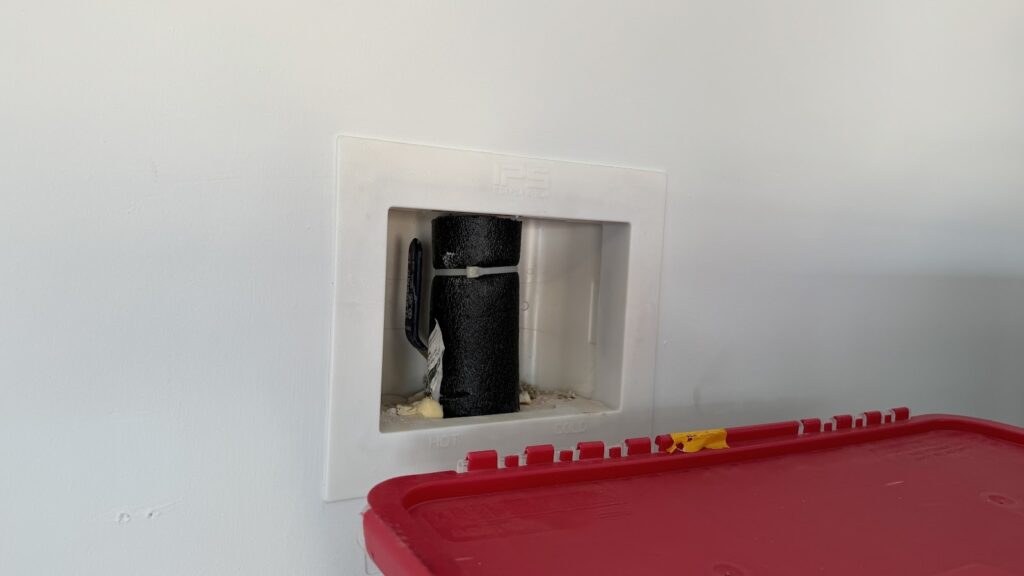
In many Monrovia homes, especially those remodeled or built more recently, the shut-off valve is located where the main water line enters the house.
Common spots include:
- Inside the garage along an exterior wall
- In a side yard near the foundation
- Near a crawl space or vent opening
Look for a pipe coming straight out of the ground with a valve handle or lever attached.
C. Inside the Home (Less Common, But Possible)
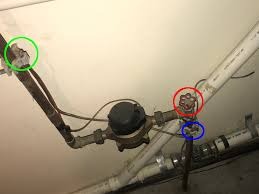
Although less common in Monrovia, some homes — especially those with extensive renovations — have interior shut-off valves.
Possible locations include:
- Utility or laundry rooms
- Garages
- Basements (rare locally but not impossible)
How to confirm it’s the main valve:
Turn it off briefly and check multiple faucets throughout the home. If all water stops, you’ve found the correct valve.
Local factors like hillside lots, tight property lines, and additions can all affect valve placement, which is why some Monrovia homes don’t follow the “usual rules.”
Types of Main Water Shut-Off Valves You Might See
Not all shut-off valves work the same way. Knowing which type you have can prevent damage and make an emergency water shut off faster and safer — especially in older Monrovia homes.
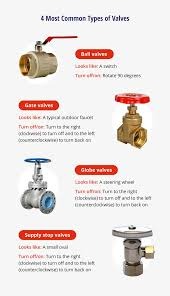
Gate Valves (Common in Older Homes)
Gate valves use a round handle that must be turned multiple times to fully shut off the water.
What to know:
- Often found in older Monrovia properties
- Can be stiff, corroded, or partially broken
- May not fully shut off water even when “closed”
⚠️ Important: If the valve is hard to turn, do not force it. Applying too much pressure can cause the valve to fail completely, turning a manageable leak into a full-blown emergency.
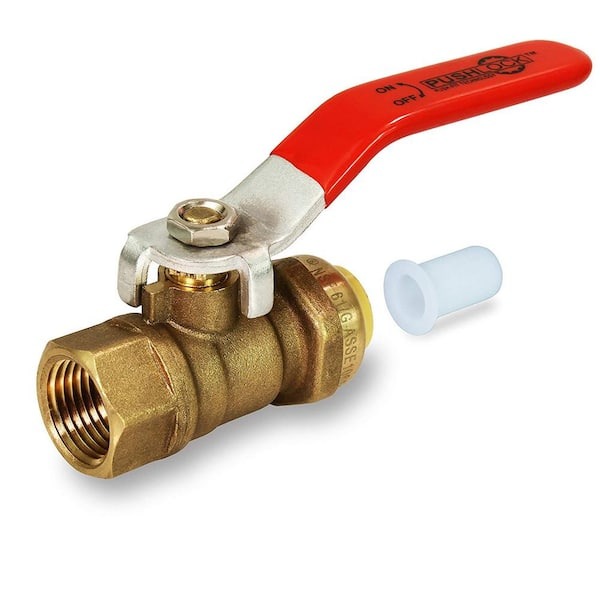
Ball Valves (Modern and More Reliable)
Ball valves use a lever-style handle that turns one quarter turn (90 degrees).
How to identify it:
- Handle parallel to the pipe = water ON
- Handle perpendicular to the pipe = water OFF
Ball valves are far more reliable and are now the preferred option for residential plumbing systems.
When to Be Extra Careful
If you notice:
- Heavy rust or corrosion
- A handle that won’t budge
- Water leaking around the valve
…it’s best to leave it alone and call a professional. A failed shut-off valve during an emergency can make damage significantly worse.
How to Shut Off Water During an Emergency (Step-by-Step)
When a plumbing emergency hits, staying calm and following the right steps can dramatically reduce water damage. Use this step-by-step process for a fast and safe emergency water shut off.
Step 1: Grab the Right Tools
Keep these items in an easy-to-reach place:
- Adjustable wrench or water meter key
- Flashlight (especially for nighttime emergencies)
- Gloves for grip and safety
Having tools ready ahead of time saves precious seconds.
Step 2: Turn Off the Main Valve
- Gate valve: Turn the handle clockwise until it stops
- Ball valve: Turn the lever ¼ turn so it’s perpendicular to the pipe
Apply steady pressure. If the valve won’t move easily, stop — forcing it can cause a complete valve failure.
Step 3: Confirm the Water Is Off
- Turn on faucets at the highest and lowest points in the house
- Water should slow, then stop completely
- Flush a toilet to verify no refill occurs
If water continues flowing, the valve may be damaged or only partially closing.
Step 4: Reduce Remaining Pressure
Once the water is off:
- Open a few faucets to drain remaining water
- This helps reduce leakage and pressure on damaged pipes
Step 5: Call for Professional Help
If the valve doesn’t shut off fully, leaks around the handle, or feels fragile, it’s time to call a licensed plumber. Emergency situations often reveal underlying issues that need immediate professional attention.
Common Emergency Water Situations in Monrovia Homes
Many emergency water shut off calls in Monrovia stem from a handful of recurring plumbing issues tied to home age, soil conditions, and regional building practices. Knowing these common scenarios can help homeowners react faster and limit damage.
Burst Pipes in Aging Plumbing Systems
Older Monrovia homes often still rely on galvanized steel or early-generation copper piping. Over time, corrosion and mineral buildup weaken these pipes, increasing the risk of sudden bursts — especially under high pressure.
Slab Leaks (Common in Southern California)
Many local homes are built on slab foundations. When a pipe fails beneath the concrete, leaks can go unnoticed until:
- Floors feel warm or damp
- Water bills spike
- You hear running water with fixtures off
Slab leaks often require an immediate water shut-off to prevent structural damage.
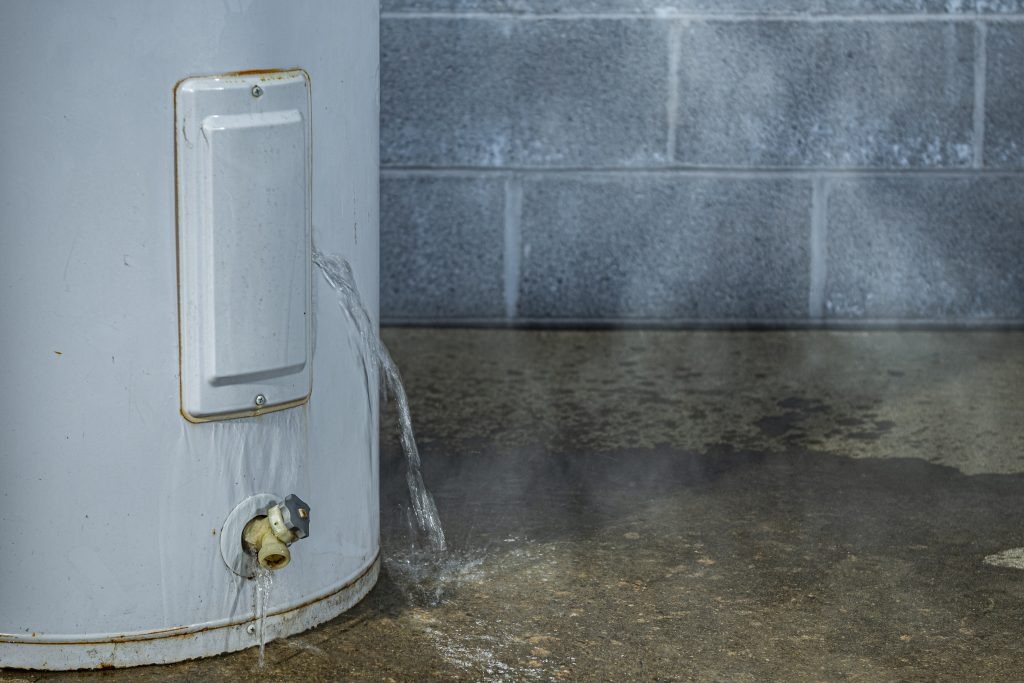
Water Heater Failures
A failing water heater can release dozens of gallons in minutes. Corrosion, faulty pressure relief valves, or tank failure often strike without warning.
Appliance Supply Line Ruptures
Washing machines, dishwashers, and refrigerators rely on small supply lines that can crack or burst — especially older rubber hoses. These failures frequently occur when no one is home, making fast shut-off knowledge essential.
Hillside & Drainage-Related Issues
Monrovia’s hillside properties can allow water to travel quickly through walls, crawl spaces, and foundations, increasing the severity of even small leaks.
What If You Can’t Find or Turn Off the Valve?
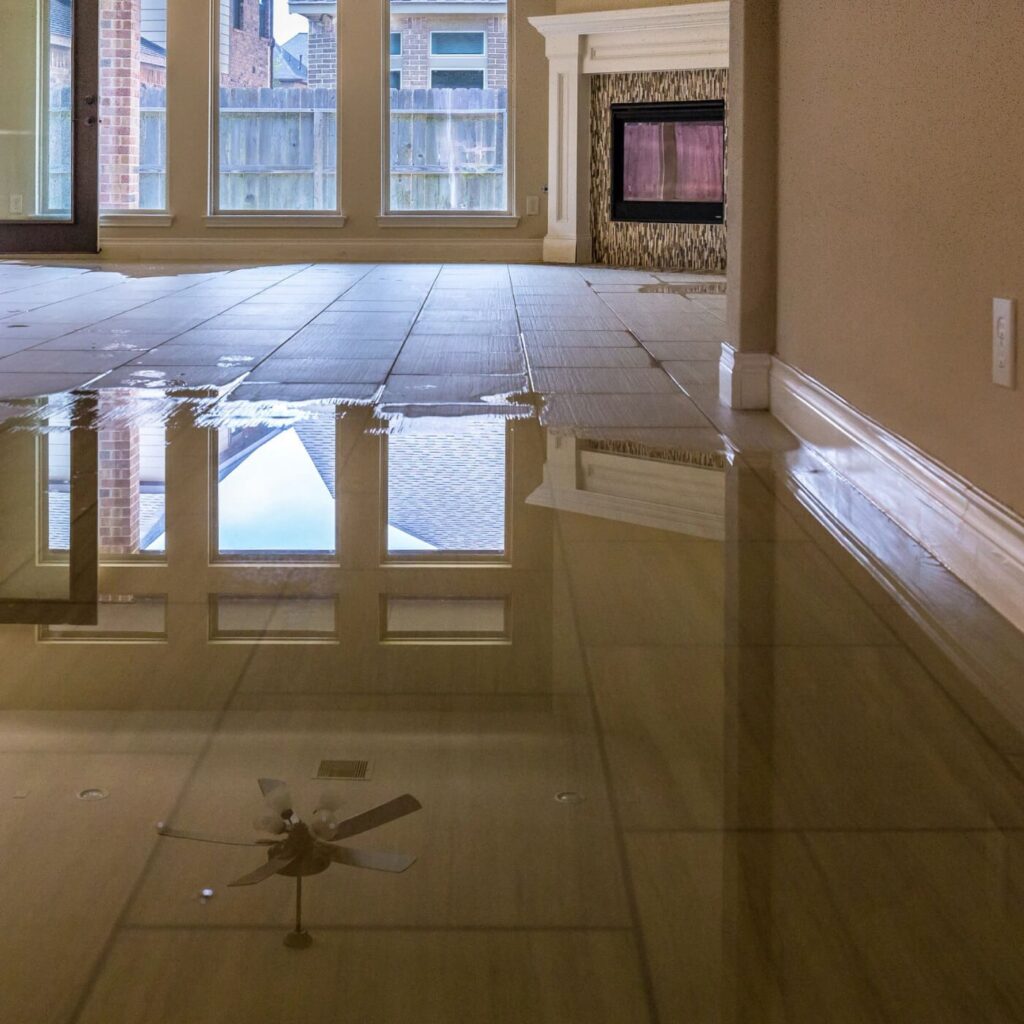
If water is actively flooding your home and you can’t locate or operate the main shut-off valve, don’t panic — there are still steps you can take to reduce damage while help is on the way.
Immediate Actions to Reduce Damage
- Turn off electricity in affected areas if it’s safe to do so
- Move furniture, rugs, and valuables away from the water
- Use towels or buckets to redirect or contain active leaks
These steps won’t stop the water, but they can limit secondary damage.
Try Temporary Shut-Off Options
- Shut off individual fixture valves if the source is isolated
- Turn off water supply valves behind toilets or under sinks
- If an appliance is leaking, disconnect its water line if accessible
This can slow the situation until the main valve is found or addressed.
Check the Curb-Side Water Meter
If your home’s shut-off valve is inaccessible or broken, the water can usually be turned off at the curb meter near the street. This may require a water meter key or wrench.
⚠️ Use caution: Some meters are deep, stuck, or difficult to operate.
Call a Local Emergency Plumber Immediately
When you can’t stop the water yourself, professional help becomes urgent. A licensed plumber can:
- Safely shut off water without causing valve failure
- Locate hidden or buried shut-offs
- Coordinate with the city if municipal access is required
In severe cases, the city water department may need to shut off service temporarily as a last resort.
Pro Tip: Label, Test, and Prepare Before an Emergency
The best time to learn your emergency water shut off isn’t during a flood — it’s before anything goes wrong. A little preparation now can save thousands in repairs later.
Label the Valve Clearly
Once you’ve located the main shut-off valve:
- Attach a waterproof tag or label
- Mark it clearly as “MAIN WATER SHUT-OFF”
- Make sure it’s visible and not blocked by storage items
In an emergency, clarity matters — especially for family members or guests.
Test the Valve Once a Year
At least once a year:
- Turn the valve off briefly
- Confirm water stops at faucets
- Turn it back on slowly
This ensures the valve actually works and doesn’t seize up from lack of use. If it’s difficult to turn or doesn’t fully shut off, it’s a warning sign.
Create a Simple Household Plan
Preparation isn’t just about hardware — it’s about people.
- Show all adults (and older kids) where the valve is
- Keep a wrench or meter key nearby
- Post simple shut-off instructions in the garage or utility area
A prepared household reacts faster and with less panic.
When to Call a Professional Plumber in Monrovia
While every homeowner should know how to perform an emergency water shut off, there are times when calling a licensed professional is the safest — and smartest — move. Many plumbing issues in Monrovia homes go beyond a simple DIY fix.
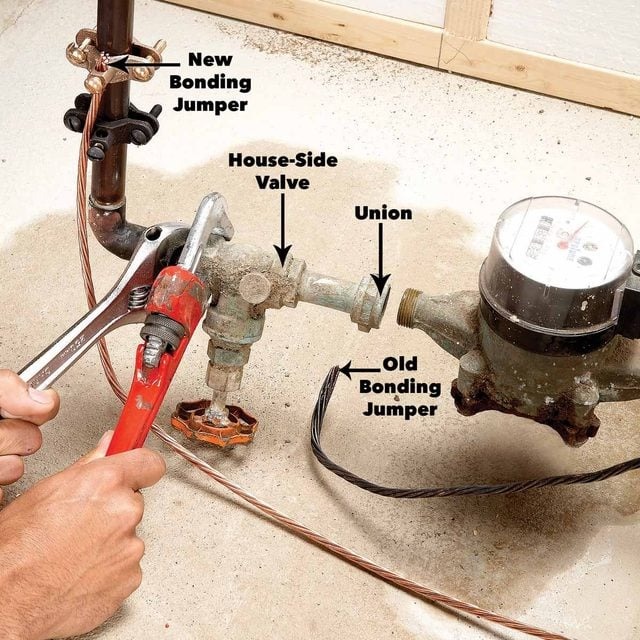
Signs Your Main Shut-Off Valve Needs Professional Attention
You should contact a plumber if you notice:
- The valve won’t fully shut off the water
- The handle is stuck, brittle, or heavily corroded
- Water leaks around the valve stem
- The valve hasn’t been tested in years (common in older homes)
These are warning signs that the valve could fail during an emergency — exactly when you need it most.
Why Upgrading to a Modern Ball Valve Matters
Many older Monrovia homes still rely on outdated gate valves. Replacing them with a modern ball valve offers:
- Faster shut-off during emergencies
- Greater reliability and durability
- Reduced risk of internal valve failure
- Peace of mind for homeowners and insurance purposes
A proactive upgrade is far less expensive than repairing water damage after a failed shut-off.
Preventive Inspections for Older Monrovia Homes
Professional plumbers can also:
- Verify the true location of your main shut-off
- Inspect supply lines for early signs of failure
- Check water pressure that may stress aging pipes
- Identify slab leak risks before damage occurs
Working with a trusted local plumber like Drain Great Plumbing ensures your system is evaluated with Monrovia’s home styles, soil conditions, and infrastructure in mind.
FAQ: Emergency Water Shut-Off Questions Homeowners Ask
Can I shut off my home’s water without a tool?
Sometimes. If your home has a modern ball valve with a lever handle, you can usually turn it by hand. Older gate valves or curb-side meters typically require a wrench or water meter key.
Should I turn off the water when leaving town?
Yes — especially for trips longer than a few days. Turning off the main water supply greatly reduces the risk of catastrophic leaks from appliance hoses, water heaters, or hidden pipe failures while you’re away.
Who is responsible for the curb-side shut-off valve?
In most cases, homeowners are responsible for plumbing on their side of the meter, while the city controls the supply line before it. Accessing the curb valve is usually allowed in emergencies, but it should be done carefully.
How long can water safely stay turned off?
Water can remain off for days or even weeks if needed. When turning it back on, do so slowly and open faucets gradually to avoid pressure surges that can damage pipes.
What if my shut-off valve doesn’t fully stop the water?
That’s a sign the valve is failing or corroded. This is common in older homes and should be addressed before an emergency occurs.
Conclusion: A Few Minutes of Prep Can Save Your Home
Plumbing emergencies don’t wait for convenient timing. When a pipe bursts or a slab leak surfaces, knowing how to perform an emergency water shut off can prevent extensive damage, costly repairs, and unnecessary stress.
For Monrovia homeowners, taking a few minutes to locate, label, and test your main shut-off valve is one of the simplest — and smartest — steps you can take to protect your home. Preparation turns panic into action and gives you control when it matters most.
If you’re unsure about your valve’s condition, can’t find it, or live in an older home with aging plumbing, a professional inspection can provide peace of mind before an emergency ever happens.