That Rotten Egg Smell Isn’t Just Unpleasant — It’s a Warning
If you’ve noticed a rotten egg or sulfur smell coming from your drains, you’re not alone — and you’re right to be concerned. Many homeowners searching for a smelly drains fix first notice the odor after hot summer days, seasonal rain, or when a bathroom or laundry room hasn’t been used in a while. In areas like Monrovia, Arcadia, Duarte, and Duarte Canyon neighborhoods, these smells are especially common during warmer months.
That unpleasant odor usually points to hydrogen sulfide gas, a byproduct of sewer gases escaping through your plumbing system. While the smell alone is annoying, ignoring it can lead to bigger problems, including potential health concerns from sewer gas exposure, corrosion or damage inside your pipes, and hidden plumbing issues that worsen over time.
The good news? Smelly drains are usually fixable — once you understand the cause. In this guide, Drain Great Plumbing breaks down why Monrovia-area drains smell like rotten eggs, which solutions you can safely try yourself, and when it’s time to call a Plumber in Monrovia before the problem becomes costly.
Why That Sulfur Smell Keeps Coming Back
A recurring sulfur or rotten egg smell from your drain is more than a nuisance — it’s often a sign your plumbing system isn’t working the way it should. Many Monrovia homeowners notice the odor after a stretch of hot weather, a rainstorm, or when a guest bathroom hasn’t been used in weeks. These smells can come and go, making them easy to ignore.
Unfortunately, lingering drain odors may signal trapped sewer gas, bacteria buildup, or ventilation problems inside your plumbing. Left unresolved, these issues can affect indoor air quality, weaken pipes, and mask larger problems like partial sewer line blockages. This article explains the most common causes of smelly drains, outlines proven DIY remedies, and shows when professional plumbing service is the safest solution.
What Causes Drains to Smell Like Rotten Eggs?
A rotten egg smell coming from your drain is almost always tied to sulfur-producing gases or bacteria inside your plumbing system. In Monrovia-area homes — especially those built in the mid-1900s — certain issues show up more often due to aging pipes, tree-lined streets, and warm Southern California weather. Here are the most common causes plumbers find when investigating drain odors.
A. Sewer Gas Escaping Through the Drain
That sulfur smell usually comes from hydrogen sulfide gas, a natural byproduct of waste breaking down in the sewer system. Normally, this gas is safely vented out through your plumbing vents. But in older plumbing systems, worn seals, pipe shifts, or design flaws can allow sewer gas to leak back up through drains instead.
This is especially common in established Monrovia neighborhoods where original plumbing materials have aged or settled over time.
B. Dry or Faulty P-Traps
The curved pipe under your sink — called a P-trap — is designed to hold a small amount of water that blocks sewer gas from entering your home. When that water evaporates, odors can pass through freely.
Dry P-traps often occur in:
- Guest bathrooms
- Laundry rooms
- Floor drains
- Sinks that aren’t used regularly
Warm Southern California temperatures accelerate evaporation, making this one of the most frequent causes of a sudden sulfur smell.
C. Bacteria & Biofilm Buildup
Over time, grease, soap scum, food particles, and hair stick to the inside of drain pipes. This buildup creates biofilm, a slimy layer where odor-causing bacteria thrive.
Kitchen drains tend to smell worse than bathroom drains because food waste feeds bacteria. Locally, hard water in the San Gabriel Valley can speed up mineral buildup, giving bacteria more surface area to cling to — and more chances to smell.
D. Vent Pipe Issues
Your plumbing vent system regulates pressure and safely releases sewer gases through the roof. If a vent pipe is blocked or damaged, gases may be forced back through drains instead.
Common vent problems include:
- Debris buildup
- Bird nests
- Cracked or improperly installed vent pipes
Vent issues often cause whole-house odors, not just smells from a single sink.
E. Failing Sewer Line or Partial Blockage
In more serious cases, the rotten egg smell points to problems deeper in the sewer line. Cracked pipes, root intrusion, or sagging sections (“bellies”) can trap waste and gas.
Red flags that suggest a sewer line issue include:
- Gurgling sounds from drains
- Slow drainage in multiple fixtures
- Odors affecting more than one room
These situations usually require professional inspection to confirm and fix correctly.
What Makes Drains Smell Like Sulfur in the First Place?
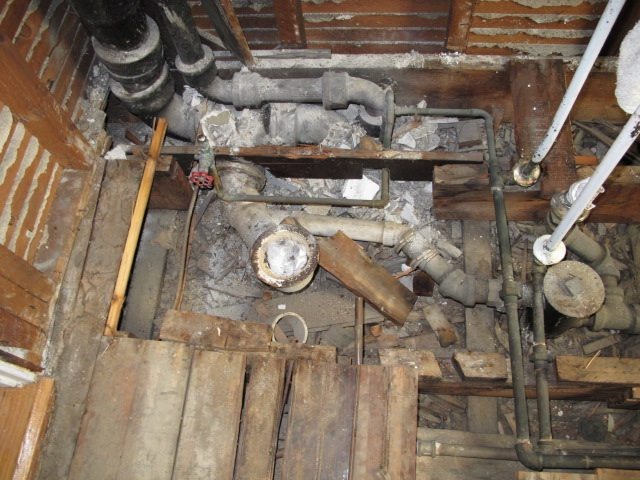
A sulfur smell forms when waste gases or bacteria are allowed to linger inside your plumbing instead of being flushed or vented away. This can happen due to dry traps, organic buildup, or venting problems — especially in older homes or properties with mature landscaping. Understanding which cause applies to your situation is the first step toward choosing the right fix.
Is That Rotten Egg Smell Dangerous?
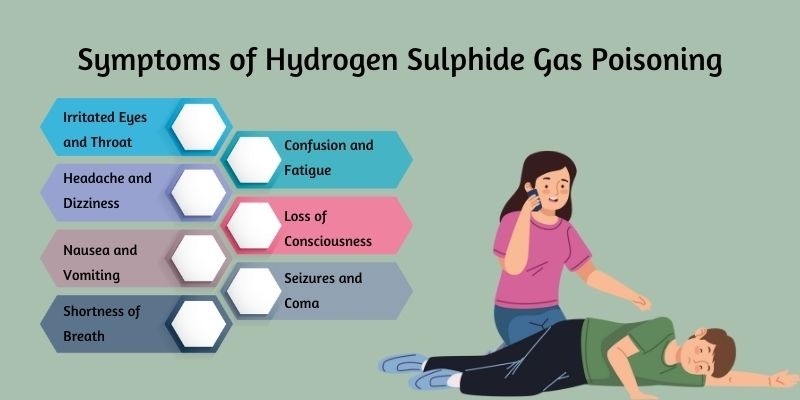
In many cases, a rotten egg smell coming from a drain is mostly unpleasant rather than immediately dangerous. However, that doesn’t mean it should be ignored. The odor is usually caused by hydrogen sulfide, a gas that can irritate your eyes, nose, and throat — and at higher concentrations, it can pose real health risks.
Most mild sewer gas smells indicate a plumbing issue like a dry P-trap or buildup inside the drain. But when odors are strong, persistent, or accompanied by physical symptoms, they become a warning sign that requires prompt attention.
Warning Signs That Require Immediate Action
Call a professional — or leave the home if symptoms are severe — if anyone experiences:
- Headaches
- Nausea
- Dizziness or lightheadedness
- Eye or throat irritation
These symptoms may suggest higher levels of sewer gas entering the living space.
Sewer Gas vs. Natural Gas (Important Safety Note)
A common concern among homeowners is confusing sewer gas with natural gas, which also has a sulfur-like smell due to added odorants. While sewer gas typically comes from drains, natural gas smells are often strongest near appliances, meters, or walls.
If you ever suspect a natural gas leak, leave the house immediately and contact your gas provider or emergency services before calling a plumber.
When the Smell Becomes a Serious Risk
Persistent odors affecting multiple drains, or smells that return quickly after cleaning, can point to venting problems or sewer line damage. In these cases, professional inspection is the safest way to protect both your home and your health.
Can Sewer Gas From a Drain Harm Your Health?
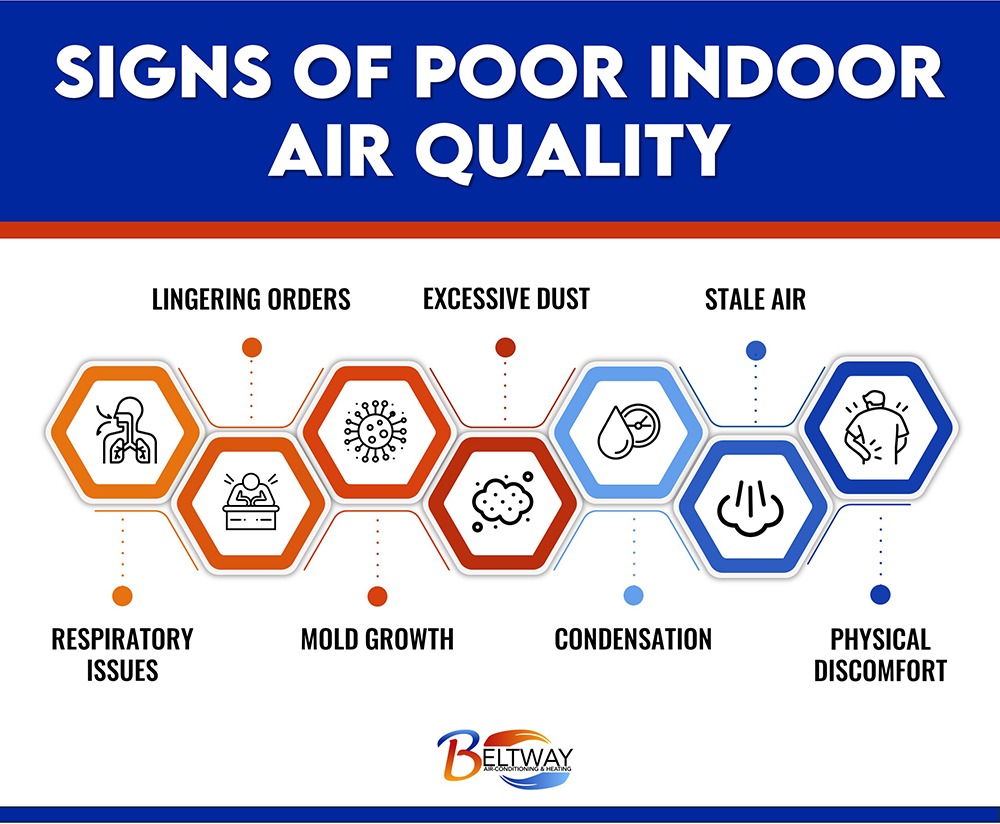
Low-level sewer gas exposure is usually limited to irritation and discomfort, but long-term or repeated exposure can worsen indoor air quality. Children, elderly residents, and those with respiratory conditions may be more sensitive, making early diagnosis and repair especially important.
Smelly Drains Fix: What You Can Try First (DIY Solutions)
Before calling a plumber, there are a few safe and effective DIY steps that often resolve mild to moderate drain odors. These fixes focus on restoring water seals, removing odor-causing bacteria, and cleaning the inside walls of the drain — not just masking the smell.
A. Flush and Refill Dry P-Traps
Dry P-traps are one of the most common causes of sulfur smells, especially in unused fixtures.
How to fix it:
- Run water for 30–60 seconds in the affected sink, tub, or floor drain
- Flush nearby toilets
- For floor drains, slowly pour a few cups of water directly into the drain
Tip: Adding a tablespoon of mineral oil after refilling can slow evaporation in rarely used drains.
Be sure to check:
- Guest bathrooms
- Laundry room drains
- Garage or patio floor drains
B. Natural Drain Cleaning (Safe Options)
Natural cleaners help break down bacteria and organic residue without damaging pipes.
What works:
- Pour ½ cup baking soda followed by 1 cup vinegar
- Let it fizz for 10–15 minutes
- Flush with very hot (not boiling) water
This method helps loosen biofilm and neutralize odors, but it won’t clear major clogs.
What to avoid:
Chemical drain cleaners often leave residue behind, damage older pipes, and can actually make drain odors worse over time.
C. Clean the Drain Walls (Not Just the Opening)
Odors often cling to the sides of the pipe, not the drain opening itself.
Effective methods:
- Use a flexible drain brush or cleaning tool to scrub inside the pipe
- For garbage disposals:
- Run ice cubes with coarse salt to knock buildup loose
- Finish with citrus peels for deodorizing (avoid overdoing it)
Always run plenty of water afterward to flush debris completely.
DIY Drain Odor Fixes That Actually Work
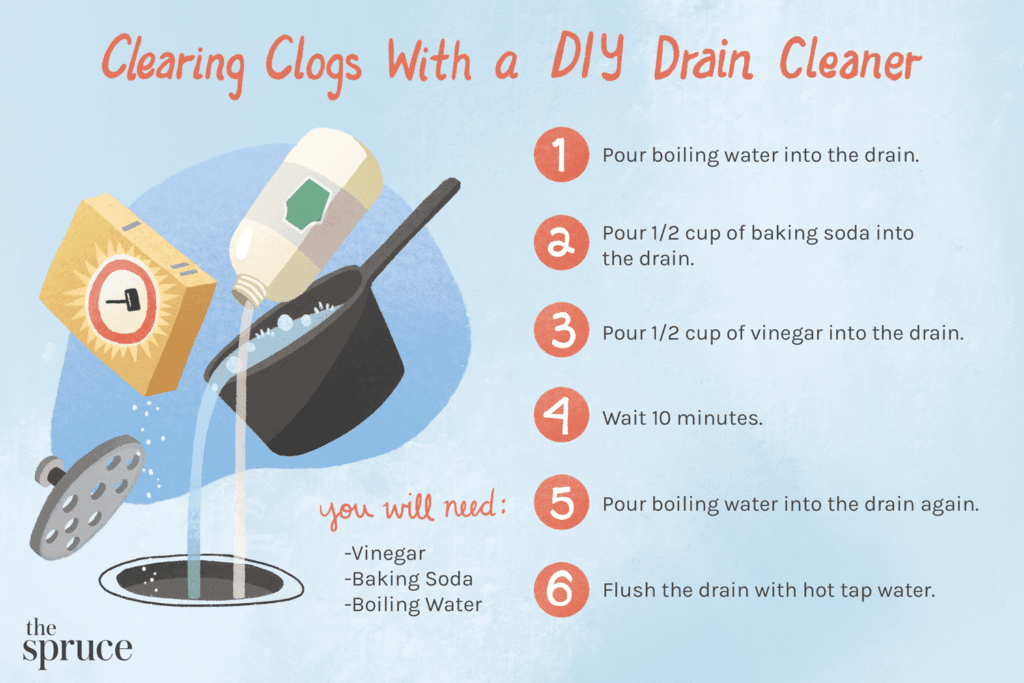
Simple maintenance can solve many drain odor problems, especially when smells are isolated to one fixture. If odors return quickly or spread to multiple drains, it’s usually a sign the issue runs deeper than surface buildup.
When DIY Doesn’t Work: Professional Drain Odor Solutions
If drain odors return shortly after cleaning — or affect multiple fixtures — the problem usually runs deeper than surface buildup. Professional plumbing solutions focus on identifying hidden odor sources and fixing them correctly the first time, especially in older Monrovia homes.
A. Camera Drain Inspection
A camera inspection allows plumbers to see inside your drain and sewer lines in real time. This is one of the fastest ways to pinpoint where sewer gas or bacteria buildup is coming from.
Camera inspections are especially helpful for:
- Aging plumbing systems
- Suspected root intrusion
- Hidden cracks or pipe bellies
- Recurring odors with no visible cause
This approach eliminates guesswork and prevents unnecessary repairs.
B. Professional Drain Cleaning
When buildup is severe, professional cleaning removes what DIY methods can’t.
Common methods include:
- Drain snaking: Best for localized clogs and minor buildup
- Hydro jetting: Uses high-pressure water to scour pipe walls clean
Hydro jetting is often recommended when odors are caused by grease, biofilm, or mineral scale buildup — all common in areas with hard water.
C. Sewer Line Repair or Replacement
If inspections reveal cracked pipes, root intrusion, or sagging sewer lines, repair may be necessary to permanently eliminate odors.
Signs the smell is coming from deeper sewer issues include:
- Multiple drains smelling at once
- Gurgling sounds
- Slow drainage throughout the house
Many homeowners are relieved to learn that trenchless sewer repair options may be available, reducing yard disruption while restoring proper flow and ventilation.
Professional Solutions for Persistent Drain Odors
Professional diagnostics don’t just mask odors — they address the underlying plumbing conditions that allow sewer gas to escape. This is often the most cost-effective solution when DIY fixes fail.
Why Smelly Drains Are Common in Monrovia Homes
Drain odors aren’t random — and homeowners in Monrovia and nearby San Gabriel Valley communities experience them more often for a few very specific reasons. Local housing age, climate, and infrastructure all play a role in why rotten egg smells show up in drains here.
Aging Plumbing in Established Neighborhoods
Many Monrovia homes were built in the mid-20th century, long before modern plumbing standards. Older materials, settled pipes, and outdated venting designs make it easier for sewer gas to escape when components wear down.
Tree-Lined Streets Increase Root Intrusion Risk
Monrovia’s mature landscaping is beautiful — but tree roots are naturally drawn to moisture inside sewer lines. Even small root intrusions can create blockages that trap waste and gases, leading to recurring drain odors.
Hard Water Accelerates Buildup
The San Gabriel Valley is known for hard water, which leaves mineral deposits inside pipes. These deposits give grease and bacteria something to cling to, increasing biofilm growth and odor formation — especially in kitchen drains.
Hot Summers Increase Evaporation & Bacterial Growth
Warm summer temperatures speed up:
- P-trap evaporation
- Bacterial activity inside drains
- Odor intensity
This explains why many homeowners notice smells becoming worse during heat waves or after periods of low water use.
Why Drain Odors Are a Local Plumbing Issue
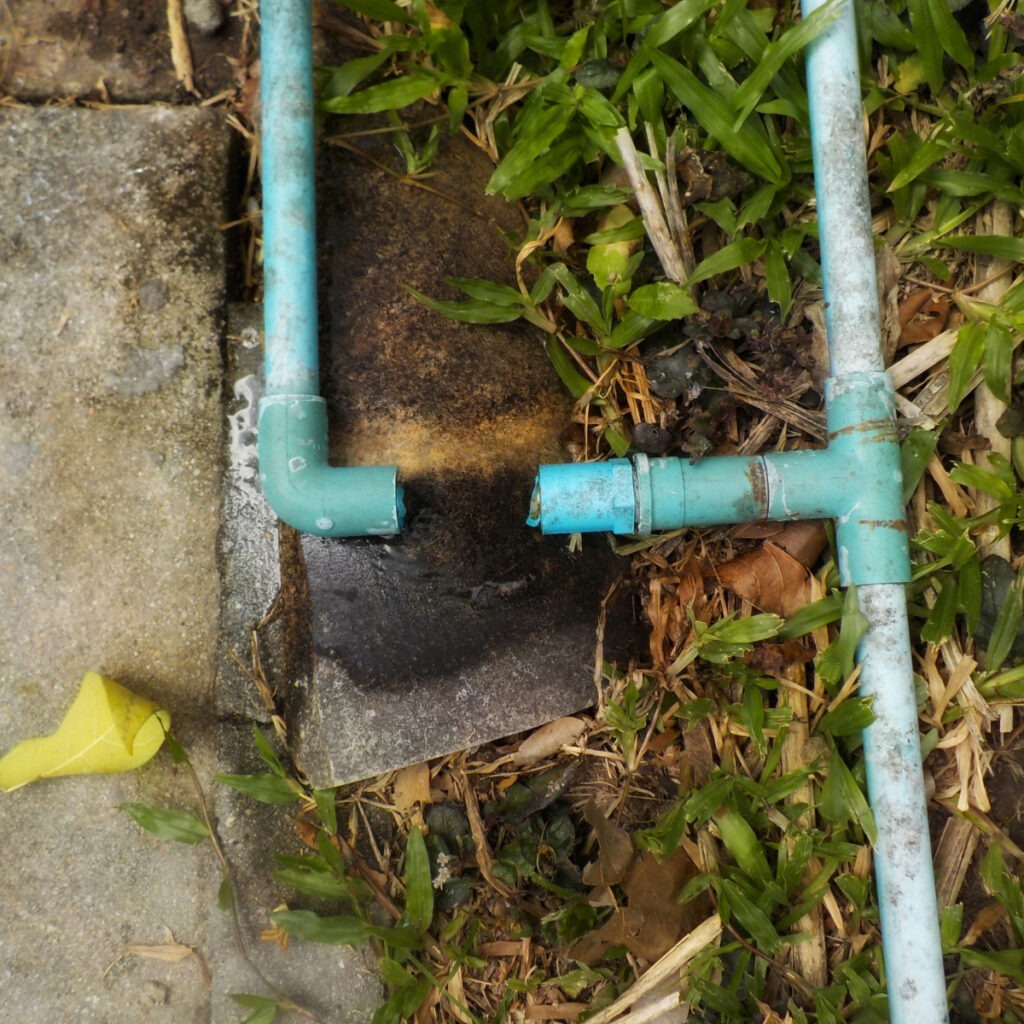
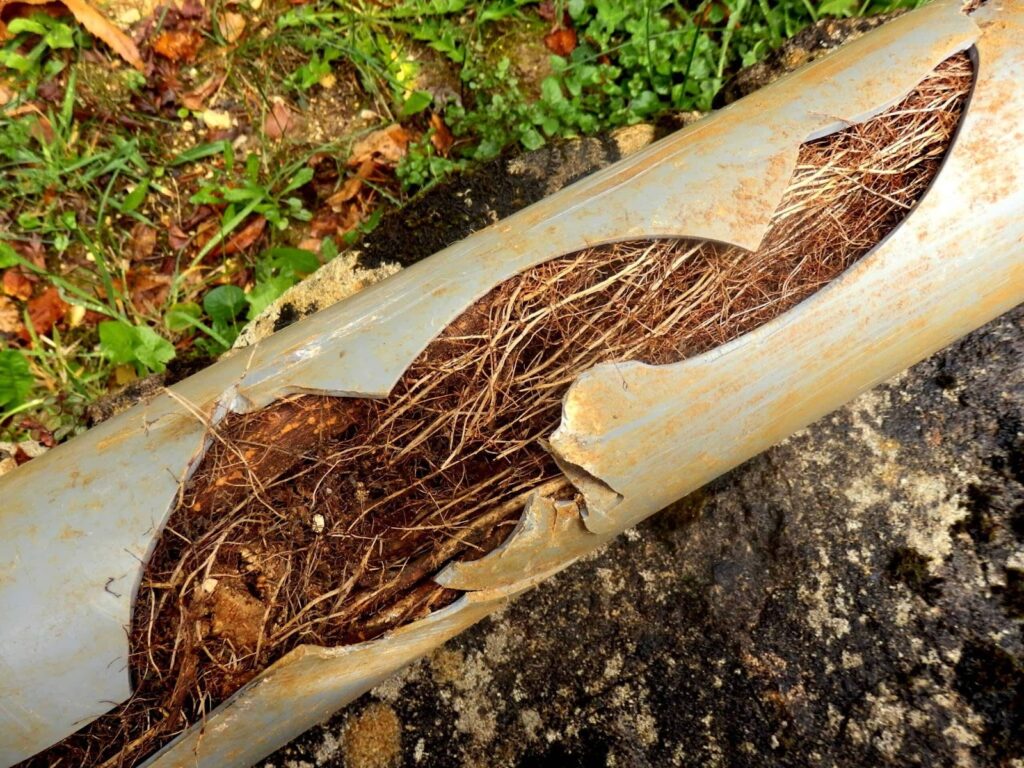
Local conditions matter when diagnosing plumbing problems. Understanding how Monrovia’s climate and infrastructure affect your drains helps explain why odors return — and why lasting solutions often require professional evaluation.
How to Prevent Drain Smells Long-Term
Once you’ve eliminated a sulfur smell, a few simple habits can keep it from coming back. Preventive maintenance is especially important in Monrovia homes where heat, hard water, and aging plumbing increase the risk of recurring drain odors.
Monthly Drain Maintenance Checklist
- Run hot water through all sinks, tubs, and floor drains
- Flush unused fixtures for 30–60 seconds
- Clean garbage disposals with ice and coarse salt
- Wipe sink strainers and stoppers to remove residue
Be Careful What Goes Down the Drain
Avoid pouring these down household drains:
- Cooking grease or oil
- Coffee grounds
- Food scraps (even with a disposal)
- Paint, chemicals, or harsh cleaners
These materials stick to pipe walls and feed odor-causing bacteria.
Keep Water in Unused Fixtures
Run water at least once a month in:
- Guest bathrooms
- Laundry sinks
- Basement or garage floor drains
This keeps P-traps full and blocks sewer gas from entering the home.
Schedule Annual Professional Inspections
An annual plumbing inspection can catch vent issues, early buildup, or sewer line problems before odors return. Many homeowners find this preventive step far less expensive than emergency repairs later.
Preventing Sulfur Smells in Your Drains
Routine maintenance doesn’t just prevent odors — it extends the life of your plumbing system and improves overall drain performance year-round.
When to Call a Monrovia Plumbing Professional
While minor drain odors can often be handled with basic maintenance, some situations signal a deeper plumbing problem that shouldn’t be ignored. Knowing when to call a professional can save you from more expensive repairs down the line.
You should contact a licensed plumber if:
- Multiple drains smell at the same time, even after cleaning
- Odors return quickly after DIY fixes
- You hear gurgling sounds from sinks or toilets
- Drains are slow throughout the house
- You notice sewage backups or wet areas near drains
- The smell appeared after recent remodeling or pipe changes
These signs often point to venting problems, sewer line issues, or improper pipe connections — all of which require professional diagnosis.
Homeowners who delay service often discover that what started as a simple odor issue has turned into pipe damage or sewer line repairs. Early intervention is almost always the most cost-effective approach.
Signs It’s Time to Call a Local Plumber
If your home has persistent odors or multiple warning signs, professional inspection ensures the problem is identified accurately and resolved safely.
FAQ: Smelly Drains Fix
Why does my drain smell like sulfur only at night?
At night, water usage drops, which allows sewer gases to linger longer in pipes. Dry or partially evaporated P-traps and venting issues are more noticeable when drains aren’t actively being flushed.
Can a clogged vent cause drain odors?
Yes. Blocked or damaged vent pipes prevent sewer gases from escaping through the roof, forcing them back through drains instead. This often causes odors throughout the house, not just in one room.
Will bleach fix a smelly drain?
Bleach may temporarily reduce odors, but it doesn’t remove grease, biofilm, or mineral buildup inside pipes. In older plumbing systems, repeated bleach use can worsen long-term odor issues.
How much does it cost to fix sewer gas smell issues?
Costs vary depending on the cause. Simple fixes like refilling P-traps are inexpensive, while camera inspections, drain cleaning, or sewer line repairs cost more. A professional inspection is the best way to get an accurate estimate.
Common Questions About Fixing Smelly Drains
This FAQ section is designed to answer the most common “People Also Ask” questions homeowners search for when dealing with persistent drain odors.
Don’t Ignore Rotten Egg Smells in Your Drains
If your Monrovia drains smell like rotten eggs, the problem is usually fixable — but it shouldn’t be ignored. What starts as a minor odor can quickly turn into pipe damage, recurring sewer gas exposure, or costly sewer line repairs if left unresolved. Simple steps like refilling P-traps or cleaning drain walls can solve minor issues, but persistent smells are often a sign of deeper plumbing or venting problems.
The sooner you address drain odors, the easier — and less expensive — the solution usually is. Early diagnosis helps protect your home’s plumbing system, indoor air quality, and long-term value.
If home remedies haven’t worked or the smell keeps coming back, a professional inspection can pinpoint the issue before it becomes a major repair. Drain Great Plumbing provides thorough drain inspections and long-lasting solutions for homeowners in Monrovia and surrounding communities.
📞 Call 888-778-4862 today to schedule a professional drain inspection and get rid of sewer odors for good.
Smelly Drains Are Fixable With the Right Help
Drain odors aren’t something homeowners have to live with. With the right diagnosis and timely repairs, your drains can run clean, safe, and odor-free again.