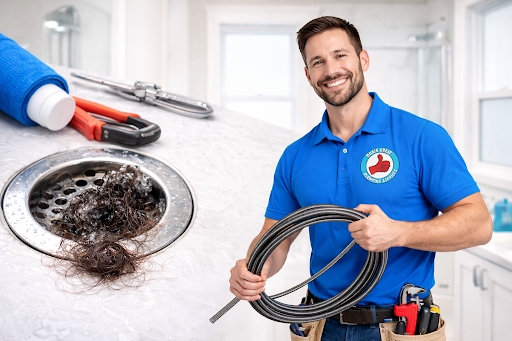
Anyone who has owned a home in Monrovia knows that clogged shower drains are a regular hassle, and the leading cause of these blockages is often something as simple as hair. Whether it’s long, short, or even pet hair, it easily combines with soap residue, body oils, and minerals in the water to form clogs that block the flow of water. Over time, this combination leads to slow drainage, standing water in the shower, and, at worst, foul-smelling backups.
This kind of clog is not just an inconvenience but can also cause more serious plumbing issues if left untreated. Fortunately, you don’t have to immediately reach for the phone to call a plumber. Many hair clogs can be cleared with some easy DIY solutions. But when those methods don’t work, it’s important to know when to call in a professional plumber to ensure your pipes are properly cleared and avoid potential damage to your plumbing system. In this guide, we’ll explore simple DIY fixes and discuss the signs that indicate it’s time to call a trusted local expert Plumber In Monrovia, CA.
Why Hair Clogs Happen in Shower Drains
Hair is one of the most common causes of shower drain clogs, but it’s rarely the only culprit. Hair itself is sticky and tends to cling to the inside of your pipes. When hair mixes with soap residue, oils from your skin, and minerals found in the water supply, it forms a thick, gooey substance that can easily catch other debris, creating a clog. Over time, this buildup gets more and more difficult to clear, blocking water from draining properly.
In Monrovia, where hard water is common, mineral deposits like calcium and magnesium can further exacerbate the problem. These minerals mix with soap scum, creating even more stubborn blockages that are hard to remove. As a result, your drain starts to slow, water backs up, and you might even notice unpleasant smells.
Here are a few signs that your shower drain is likely dealing with a hair clog:
- Slow drainage: Water pools in the shower while it tries to drain, leaving you standing in a puddle.
- Backed-up water: You may notice water rising in the shower, indicating that something is obstructing the pipe.
- Gurgling sounds: As water tries to flow through a partially blocked pipe, you may hear unusual gurgling or bubbling sounds.
- Odors: Stagnant water trapped in the drain can lead to unpleasant smells, especially when hair and soap scum begin to break down.
Quick DIY Solutions for Hair Clogs
Before calling in a professional plumber, there are several DIY methods you can try to clear hair clogs in your shower drain. These techniques are easy to do, often require minimal tools, and can save you time and money.
Manual Hair Removal
The most straightforward method is manually removing the hair that’s visible in the drain. Start by removing the drain cover, and inspect the drain for any visible clogs. Wear gloves or use tweezers or a drain tool to pull out the hair. Be sure to clear all the debris from the opening before replacing the cover.
Natural Homemade Methods
If the clog is deeper in the pipe, you can use a natural cleaning solution to break it down. Combine 1/2 cup of baking soda and 1/2 cup of vinegar. Pour the baking soda into the drain, followed by the vinegar. The fizzing action helps to loosen any buildup and debris. After a few minutes, flush the drain with hot water to help clear the pipe.
Plunger Technique
If the clog is stubborn, a plunger may help. Use a cup-style plunger, placing it over the drain. Block the overflow hole with a wet cloth and plunge firmly several times. The suction can help break up the clog and force it down the drain.
Drain Snake or Hair Removal Tool
A drain snake or hair removal tool can be inserted into the drain to reach deeper blockages. Twist the tool while pushing it down the drain to snag and pull out the clog. This is especially effective for hair that has accumulated deep in the pipes.
✅ Pro Tip: Avoid using harsh chemical drain cleaners, as they can damage your pipes over time and may not even work on hair clogs.
Preventing Future Hair Clogs
While it’s great to have quick solutions for hair clogs, the best strategy is to prevent them from happening in the first place. With a few simple habits and upgrades, you can significantly reduce the chances of hair clogs in your shower drain.
Install a Drain Cover or Hair Catcher
A drain cover or hair catcher is one of the simplest and most effective ways to stop hair from going down the drain. These inexpensive tools catch hair before it has a chance to enter the pipes, preventing clogs from forming in the first place.
Regularly Clean the Drain
Even if you have a hair catcher, it’s important to clean the drain regularly. After each shower, take a moment to check the drain for any hair that might have gathered around the mouth of the drain. Removing the hair promptly will help prevent it from going deeper into the pipes.
Monthly Baking Soda and Vinegar Flush
Once a month, flush your drain with a combination of 1/2 cup of baking soda and 1/2 cup of vinegar followed by hot water. This helps to break down any soap scum, oils, and mineral buildup in the pipes, reducing the chance of future clogs.
Teach Good Shower Habits
Encourage family members to be mindful of their shower habits. For example, if someone has long hair, consider recommending that they brush or comb their hair before showering to minimize shedding. Even small changes in behavior can make a big difference in reducing hair buildup.
When to Call a Professional in Monrovia, CA
While most hair clogs can be solved with a few DIY techniques, some clogs are simply too deep or persistent to handle on your own. Here’s when it’s time to get in touch with a plumber:
Signs You Need a Professional
- Recurring issues: If you’ve repeatedly tackled the clog without success, the blockage might be beyond your reach. It could be lodged further in your plumbing system and needs professional-grade tools to clear it.
- Backed-up water: If water is backing up into the shower, toilet, or any other drain, it’s a clear sign that the clog is affecting more than just the shower drain. This may require an expert to resolve.
- Unpleasant smells: Bad odors that won’t go away after cleaning your drain could mean there’s a more serious buildup deep in the plumbing that needs to be professionally cleaned.
- Slow drainage in multiple drains: If multiple drains are clogged or slow to drain, the problem may not be confined to one area. A plumber can diagnose and clear blockages in your home’s main drainage system.
Calling a plumber is the best option when a clog is persistent or involves deeper issues. Plumbers use specialized equipment like drain snakes, hydro-jetting, and camera inspections to safely remove tough clogs and ensure your plumbing is working efficiently.
What to Expect from Professional Drain Cleaning
When you call a plumber to clear a stubborn hair clog, there are several methods they might use to get your drains running smoothly again. Here’s what you can expect:
- Drain Snaking: For most common clogs, plumbers use a drain snake to physically break up the blockage. The snake is a long, flexible cable that is inserted into the drain to dislodge the clog and pull it out. This method works well for hair buildup near the drain opening.
- Hydro-Jetting: For clogs that are further down the pipes or have built up over time, plumbers may use hydro-jetting. This method uses high-pressure water to blast away the debris from the inside of the pipes, effectively cleaning and clearing any buildup that could cause future clogs.
- Camera Inspections: In cases where the clog is recurring or difficult to find, a plumber might insert a small video camera into the pipes. This inspection helps them accurately locate the problem and determine the best course of action for resolving it.
Professional drain cleaning doesn’t just clear the immediate clog—it ensures that your pipes are in good working condition for the long term. Plumbers have the right tools and training to safely remove deep blockages and prevent future issues from arising.
Cost & Scheduling Considerations
Understanding the costs and timing for drain cleaning services can help you make the best choice for your situation. Drain cleaning services can vary based on the method used and the severity of the clog, but here’s an overview to guide you.
Costs
- Basic Drain Cleaning: Most straightforward drain cleaning services cost between $100 and $200 for simple blockages, such as hair clogs that are near the drain opening. This typically includes the use of a drain snake or other similar tools.
- Hydro-Jetting: If a clog is deep in the plumbing or built up over time, hydro-jetting might be necessary. This high-pressure water cleaning method can cost $250 to $500 depending on the size and scope of the problem.
- Camera Inspection: If the plumber needs to perform a camera inspection to locate a clog, expect an additional charge of $100 to $250.
When to Schedule
- Routine Maintenance: If you’re not experiencing any issues but want to keep your pipes in good shape, consider scheduling regular drain cleaning services. Many plumbers offer discounted rates for scheduled maintenance, which can help keep your pipes clear and avoid future issues.
- Emergency Services: If you notice water backing up into your shower or bathroom, or if your drains are gurgling, it’s best to call a plumber immediately. Emergency services may come with an additional after-hours fee, so be prepared for higher costs during weekends or holidays.
Frequently Asked Questions About Shower Drain Cleaning & Hair Clogs
1. Why is my shower drain slow even after cleaning it?
A slow drain often means there’s a buildup of hair, soap scum, oils, and minerals sticking to the pipe walls. These materials gradually narrow the pipe opening, reducing water flow over time. Slow drainage can also come from deeper blockages farther down the pipe that aren’t reached by surface DIY methods. Persistent clogs sometimes need professional tools to fully clear them.
2. Can I use boiling water or natural home remedies to clear a shower drain?
Yes — for many minor clogs, pouring hot or boiling water down the drain followed by a natural mixture like baking soda and vinegar can help loosen soap scum and light debris. However, these methods usually work best on surface buildup and are less effective for deep or stubborn hair clogs. They should also be used cautiously if you’re unsure about your pipe material (e.g., older metal pipes).
3. Are harsh chemical drain cleaners safe to use for hair clogs?
Chemical drain cleaners may dissolve organic matter but can damage pipes, rubber seals, and plumbing over time, especially with frequent use. They can also create toxic fumes and make professional service more hazardous. It’s often safer to try mechanical methods (plungers, drain augers) first or consult a professional plumber if the clog persists.
4. What is the best tool for removing a hair clog myself?
For DIY unclogging, a drain snake or hair removal tool is usually the most effective: the flexible cable reaches deeper clogs and can snag hair that’s tangled beyond the drain opening. Plungers and manual removal of visible debris also help, but for clogs deeper in the pipe, a drain snake works best.
5. How often should I clean my shower drain to prevent clogs?
To keep drains running smoothly, regular maintenance is key. Many homeowners find that removing visible debris weekly and flushing with hot water or a natural cleaner monthly greatly reduces buildup. In busy households or those with long hair, you might need to check drains more often.
6. Why does my shower drain smell even if it’s not visibly clogged?
Bad odors can come from biofilm — a slimy layer of bacteria and soap scum inside the pipe — or from a dry P‑trap (the U‑shaped pipe that blocks sewer gas). Running water periodically to keep the P‑trap filled and using regular cleaning helps reduce odors. If the smell persists, it may signal deeper buildup or a vent issue that requires professional attention.
7. Can I use a shop vacuum or suction device to unclog a shower drain?
A wet/dry shop vacuum can help remove standing water or loose debris near the drain opening, but it’s not a reliable solution for deep clogs caused by hair or compacted buildup farther down the pipe. Professional plumbers use specialized tools and techniques to remove deep blockages safely.
Keep Your Shower Drains in Tip-Top Shape
Hair clogs in shower drains are frustrating but manageable with the right techniques. Simple DIY fixes and preventive measures like using hair catchers and regular cleaning can keep your drains clear. But when these methods don’t solve the problem, it’s time to turn to a professional plumber.
For homeowners in Monrovia, Drain Great Plumbing is here to provide expert drain cleaning services to keep your plumbing in top condition. With years of experience and reliable service, we’re ready to handle any clog, big or small.
Contact Drain Great Plumbing
Name: Drain Great Plumbing
Address: 219 Los Angeles Ave, Monrovia, CA 91016
Phone Number: 888-778-4862
If you’re dealing with a persistent clog or need help clearing your shower drain, don’t hesitate—contact Drain Great Plumbing today. Our team is here to help with all your plumbing needs!