
When Beautiful Trees Become a Sewer Problem
Monrovia’s nickname, the “City of Oaks,” reflects the beauty of its tree-lined streets—but beneath that charm lies a hidden risk for homeowners: tree root sewer damage. In fact, tree root sewer repair in Monrovia CA is one of the most common plumbing issues we see as a plumber in Monrovia, especially in older neighborhoods with mature landscaping. As oak trees and other deep-rooted species grow, their roots naturally seek out moisture underground, often finding their way into aging sewer pipes.
If you’re dealing with slow drains, recurring clogs, or unexplained sewer backups, you’re not alone—and it’s rarely just a coincidence. Monrovia’s dense tree canopy, combined with decades-old sewer infrastructure, creates the perfect conditions for root intrusion. Homeowners often try repeated drain cleaning, not realizing the real problem is happening deeper in the sewer line, where roots are steadily causing damage that worsens over time.
Why Tree Roots Target Sewer Lines
Tree roots don’t damage sewer lines by accident—they’re responding to ideal growing conditions created by aging pipes, especially in cities like Monrovia. Sewer lines carry warm water, organic waste, and nutrients, and even the smallest crack or loose joint can release moisture into the surrounding soil. To a tree root, that leak is an invitation.
Many Monrovia homes still rely on older clay or cast-iron sewer pipes, which were never designed to be watertight long-term. Clay pipes have joints every few feet, and cast iron corrodes from the inside out over decades. Once roots enter, they don’t just sit there—they grow thicker, spread outward, and trap waste, accelerating blockages and pipe damage. This is why tree root sewer repair in Monrovia CA is often needed even when homeowners are careful with what they flush or pour down drains.
2.1 How Sewer Pipes Attract Roots
- Moisture leakage from pipe joints or hairline cracks
- Nutrient-rich wastewater acting as fertilizer
- Oxygen availability inside older, non-sealed pipes
Roots can sense these conditions from surprisingly far away, making sewer lines a prime target compared to dry, compact soil.
2.2 Tree Species Commonly Causing Problems in Monrovia
Some trees are far more aggressive than others, and Monrovia is known for several high-risk species:
- Oak trees – Iconic locally, but extensive, powerful root systems
- Ficus – Fast-growing roots that aggressively chase moisture
- Sycamore & elm – Large root zones that spread beneath foundations
Oak trees, in particular, are a defining feature of Monrovia’s landscape—but their roots can extend well beyond the tree canopy, often reaching sewer laterals without homeowners realizing it.
Signs You Have Tree Roots in Your Sewer Line
Tree root intrusion rarely causes a sudden failure. Instead, it creates progressive warning signs that many homeowners in Monrovia experience for months—or even years—before realizing the true cause. Recognizing these symptoms early can prevent a full sewer backup and significantly reduce repair costs.
Common signs you may need tree root sewer repair in Monrovia CA include:
- Slow drains throughout the home
When multiple fixtures drain slowly—not just one sink—it often points to a restriction in the main sewer line rather than a localized clog. - Gurgling toilets or drains
Air trapped by root masses causes bubbling or gurgling sounds, especially after flushing or running large volumes of water. - Recurring clogs despite drain cleaning
If snaking or chemical cleaners offer only temporary relief, roots are likely regrowing inside the pipe after each clearing. - Sewage odors or soggy areas in the yard
Root-damaged pipes can leak wastewater into the soil, creating foul smells or unusually green, damp patches near the sewer lateral. - Backups during heavy water use
Laundry, showers, or multiple fixtures running at once may overwhelm a root-restricted pipe, forcing sewage back into tubs or floor drains.
These symptoms often worsen after rain or during peak water usage, when roots swell and further restrict flow.
Why Tree Root Damage Is More Common in Monrovia Homes
Tree root sewer issues aren’t just random in Monrovia—they’re the result of a unique combination of aging infrastructure, soil conditions, and landscaping choices that define many local neighborhoods. This is why tree root sewer repair in Monrovia CA is far more common here than in newer, master-planned areas.
4.1 Aging Infrastructure
Many Monrovia homes were built before 1980, long before modern PVC sewer piping became standard. These properties often still rely on:
- Clay sewer pipes, which shift and separate over time
- Orangeburg pipes, a fiber-based material prone to collapse
- Cast iron pipes, which corrode internally after decades of use
Southern California’s natural soil movement, combined with minor seismic activity, causes older pipes to crack or misalign—creating easy access points for roots.
4.2 Landscaping Trends in Monrovia
Monrovia’s charm comes from its tree-lined streets and historic neighborhoods, but large trees are often planted directly above or near sewer laterals. Over time:
- Root systems expand far beyond the visible canopy
- Sewer lines beneath lawns and sidewalks become primary moisture sources
- Roots grow toward pipes instead of deeper groundwater
In many cases, homeowners inherit these risks without realizing it—especially when purchasing older homes with mature landscaping already in place.
Tree Root Sewer Repair Options in Monrovia, CA
Once roots are confirmed inside a sewer line—typically through a camera inspection—the right repair depends on how severe the intrusion is, pipe condition, and long-term goals. In Monrovia, where landscaping and older pipes are common, choosing the right solution matters just as much as fixing the immediate problem.
5.1 Mechanical Root Cutting
Mechanical root cutting uses specialized blades to cut roots out of the pipe and restore flow.
- Best for: Early-stage root intrusion with minimal pipe damage
- Pros: Fast, affordable, restores drainage quickly
- Limitations: Roots often grow back if the pipe joints or cracks remain
This is typically a short-term solution, especially for clay pipes common in older Monrovia homes.
5.2 Hydro Jetting for Root Intrusions
Hydro jetting uses high-pressure water to scour roots, grease, and debris from the pipe walls.
- Pros: More thorough than snaking, cleans the full pipe diameter
- Limitations: Won’t fix cracked or separated pipes
- Best practice: Paired with a sewer camera inspection before and after service
Hydro jetting is often used as a maintenance or preparatory step before a more permanent repair.
5.3 Trenchless Sewer Repair (Pipe Lining)
Cured-in-place pipe (CIPP) lining creates a seamless, root-proof pipe inside the existing line.
- Ideal for: Root-damaged but structurally intact pipes
- Benefits:
- No excavation
- Preserves trees, driveways, and landscaping
- Seals joints permanently to block root re-entry
For many Monrovia properties—especially historic homes—this is the most cost-effective long-term solution for tree root sewer repair.
5.4 Full Sewer Line Replacement
In cases of collapsed, severely misaligned, or Orangeburg pipes, replacement may be unavoidable.
- Required when: Pipe integrity is compromised
- Considerations:
- Higher cost
- Excavation impact
- Permitting and restoration
While more disruptive, replacement ensures a completely new, code-compliant sewer line.
Preventing Future Tree Root Sewer Damage
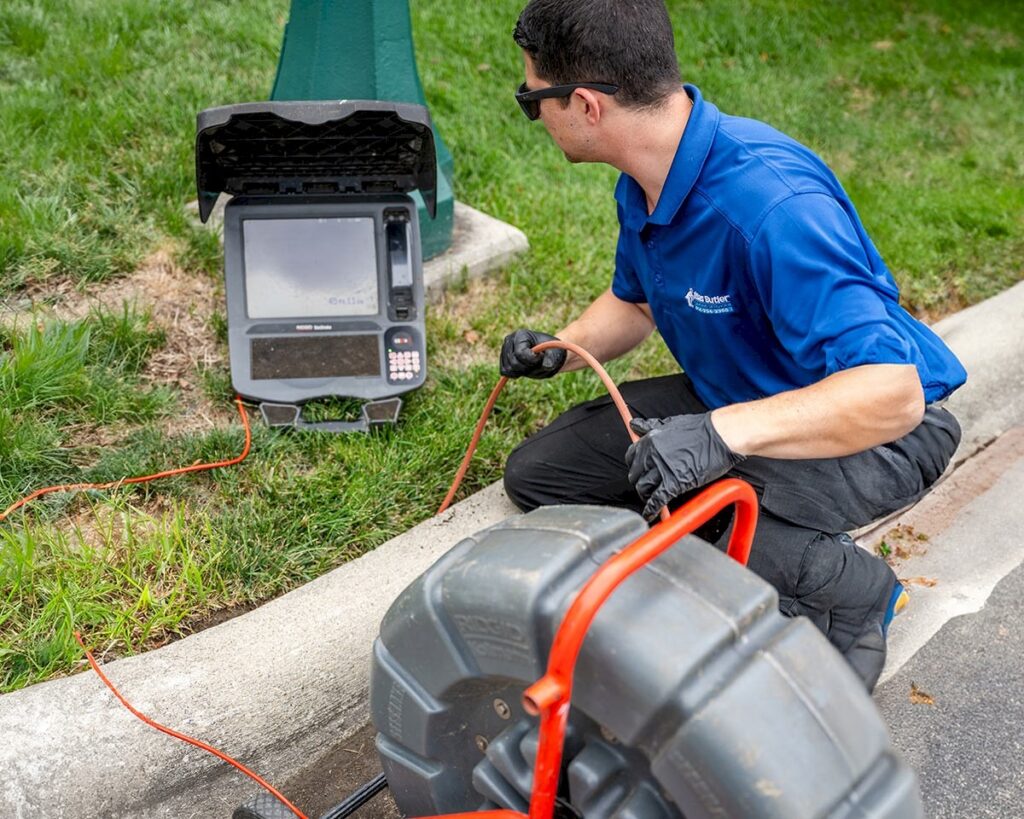
After investing in tree root sewer repair in Monrovia CA, the goal is simple: make sure the problem doesn’t come back. Preventative strategies are especially important in Monrovia, where mature trees and older sewer lines create ongoing risk if left unchecked.
Key prevention methods include:
- Annual or biannual sewer camera inspections
Camera inspections allow plumbers to monitor pipe condition and catch early root regrowth before it causes another blockage or backup. This is particularly valuable for homes with clay or cast-iron pipes. - Trenchless pipe lining as a preventative measure
Even if roots have been cleared, lining the pipe seals joints and cracks permanently—eliminating future entry points. Many Monrovia homeowners choose lining proactively after initial root removal. - Root barriers and smart landscaping
Installing physical root barriers between trees and sewer laterals can redirect growth away from pipes. When planting new trees, keeping them a safe distance from sewer lines significantly reduces future risk. - Avoiding repeated snaking as a long-term strategy
While snaking clears symptoms, it doesn’t address the cause. Over time, repeated temporary fixes often cost more than a permanent solution.
Preventative care not only protects your sewer line—it also preserves your landscaping and avoids emergency plumbing situations.
Local Regulations & Considerations in Monrovia
Tree root sewer repair in Monrovia CA isn’t just a technical issue—it also involves local regulations, permits, and responsibility boundaries that homeowners need to understand before work begins. Choosing a plumber who’s familiar with Monrovia’s requirements can prevent delays, fines, or failed inspections.
Here’s what Monrovia homeowners should know:
- Side sewer vs. city sewer responsibility
In most cases, homeowners are responsible for the side sewer—the portion of the sewer line running from the home to the city connection. Damage caused by tree roots typically falls on the homeowner, not the city. - City permitting requirements
Sewer repairs, especially trenchless lining or full replacements, usually require permits through City of Monrovia. Proper permitting ensures work meets local codes and passes inspection. - Tree preservation considerations
Monrovia places a strong emphasis on preserving mature trees. Trenchless sewer repair is often preferred because it minimizes root disturbance and avoids unnecessary tree removal. - Coordination with utilities and inspectors
Sewer work may require coordination with city inspectors and, in some cases, public works departments—something experienced local plumbers handle routinely.
Working with a contractor who understands these local nuances helps ensure your repair is compliant, efficient, and stress-free.
Cost of Tree Root Sewer Repair in Monrovia, CA
The cost of tree root sewer repair in Monrovia CA can vary widely depending on the severity of the damage and the repair method needed. Understanding what affects pricing helps homeowners make informed decisions—and avoid wasting money on temporary fixes that don’t solve the underlying problem.
Typical Price Ranges by Repair Method
(Actual pricing depends on inspection findings and property conditions)
- Mechanical root cutting: Lower upfront cost, often used as a short-term solution
- Hydro jetting: Moderate cost, especially when paired with a camera inspection
- Trenchless sewer pipe lining: Higher initial investment, but often the best long-term value
- Full sewer line replacement: Highest cost due to excavation, labor, and restoration
Factors That Affect Cost
Several variables influence the final price:
- Pipe material (clay, cast iron, Orangeburg, PVC)
- Depth and length of the damaged section
- Severity of root intrusion or pipe collapse
- Accessibility and landscaping impact
- Permit and inspection requirements in Monrovia
Why Repeated Snaking Often Costs More Long-Term
Many homeowners spend hundreds—or thousands—over time on repeated drain cleaning without realizing the roots keep growing back. While snaking may restore flow temporarily, it doesn’t seal the pipe. In contrast, a permanent solution like pipe lining often costs less over the life of the sewer system.
A professional sewer camera inspection is the most accurate way to determine the right repair—and avoid unnecessary expenses.
When to Call a Tree Root Sewer Repair Specialist
Tree root intrusion is not a “wait and see” problem—especially in Monrovia where roots continue to grow year-round. Knowing when to call a specialist can prevent a manageable repair from turning into a costly emergency.
You should contact a professional for tree root sewer repair in Monrovia CA if you notice:
- Multiple drains backing up at once
This often indicates a main sewer line obstruction rather than a localized clog. - Sewage backing up into tubs, showers, or floor drains
These are clear signs the sewer line can’t handle normal water flow. - Frequent clogs returning within weeks or months
Rapid recurrence almost always points to root regrowth inside the pipe. - Strong sewer odors inside or outside the home
Odors can indicate leaks or trapped waste caused by root-damaged pipes. - Any backup following heavy water use
Laundry days or multiple showers triggering backups suggests severe restriction.
Risks of Ignoring Root Intrusion
Delaying repairs can lead to:
- Pipe collapse
- Yard contamination
- Foundation damage
- Emergency excavation and higher repair costs
Why Local Experience Matters
Monrovia’s soil conditions, tree density, and older infrastructure require a plumber who understands local pipe materials, permitting, and repair strategies. A specialist familiar with the area can diagnose problems faster and recommend solutions that make sense for your property.
Why Choose a Local Monrovia Sewer Repair Expert
When it comes to tree root sewer repair in Monrovia CA, hiring a local expert isn’t just convenient—it directly impacts the quality and longevity of the repair. Local plumbers understand the specific challenges Monrovia homeowners face, from aging pipe materials to protected tree zones.
Here’s why working with a Monrovia-based sewer repair specialist makes a difference:
- Familiarity with local neighborhoods and pipe types
From historic homes to mid-century builds, local experts know which pipe materials are most common—and how they typically fail. - Faster response times
Sewer backups don’t wait. A nearby plumber can respond quickly, reducing the risk of property damage. - Knowledge of Monrovia city codes and permitting
Local experience streamlines the permit process and ensures work passes inspection without delays. - Tree-friendly, trenchless solutions
Experienced Monrovia plumbers prioritize trenchless repair methods whenever possible, protecting landscaping and preserving mature trees.
For homeowners, this means fewer surprises, better outcomes, and repairs designed to last in Monrovia’s unique environment.
Call to Action: Protect Your Sewer Before Roots Take Over
If your home is surrounded by mature trees, waiting for a full sewer backup is a costly gamble. The smartest first step is a sewer camera inspection to confirm whether roots are already invading your line—and how serious the damage is.
At Drain Great Plumbing, we specialize in tree root sewer repair in Monrovia CA, with solutions designed to protect both your plumbing and your landscaping. From root removal to trenchless pipe lining, we focus on permanent fixes—not temporary patches.
📞 Call 888-778-4862 today to schedule a sewer inspection and stop root damage before it turns into an emergency.
Frequently Asked Questions About Tree Root Sewer Repair in Monrovia, CA
Can tree roots really break sewer pipes?
Yes. Tree roots don’t crush pipes instantly, but they exploit small cracks and joints. Over time, growth pressure and trapped debris can cause severe damage or collapse—especially in older clay or cast-iron pipes.
How do plumbers confirm roots in a sewer line?
The most accurate method is a sewer camera inspection, which allows plumbers to see root intrusion, pipe condition, and exact problem locations in real time.
Is hydro jetting enough to remove tree roots?
Hydro jetting can remove roots temporarily, but it doesn’t seal the pipe. Without repairing cracks or joints, roots usually grow back.
What is the most permanent solution for root intrusion?
Trenchless sewer pipe lining is often the best long-term solution. It creates a seamless pipe inside the existing line, permanently blocking root entry.
Are homeowners responsible for sewer line repairs in Monrovia?
In most cases, yes. Homeowners are responsible for the sewer lateral running from the home to the city connection, including damage caused by tree roots.
How often should sewer lines be inspected in Monrovia?
Homes with mature trees or older pipes should schedule inspections every 1–2 years to catch early root growth before it causes blockages.